
Buyer guide
The Subtle Value—Risk Anticipation and Proactive Control
At the beginning of September, our clients began preparing for their Spring 2025 product lines. To stay ahead, we scheduled all garden product orders by the end of September. The client placed orders for a total of four containers—three for seasonal products and one for a regular, long-term reorder product. Since some factories had short lead times and could deliver within a month, suppliers started urging us to ship by October. However, the client planned to launch these products in March the following year and didn’t want to occupy warehouse space, so we scheduled shipments for December.
One factory had originally promised delivery by December 5. However, when the date arrived, their production lines were still overwhelmed, and they couldn’t complete the order on time. They later informed us that the production would be ready by January 5 and asked us to communicate the shipping delay to the client.
When I received this news, my instincts as a buyer immediately kicked in. With Chinese New Year at the end of January and most workers going on leave by mid-January, I realized that if this factory couldn’t meet the January 5 deadline, the entire container shipment would face significant risks, putting us in a very passive position. To mitigate this risk, we immediately suggested to the client that we ship the completed products as a partial container first, while closely monitoring the progress of the remaining goods to ensure timely delivery.
The client accepted our suggestion and authorized us to adjust the shipping plan according to the actual production schedule, rather than strictly adhering to the original PI (purchase order). He said, “You can arrange shipments flexibly based on completion status. I trust you!” With this authorization, we reorganized the shipment schedule for the four containers based on product volumes and progress, prioritizing seasonal products and delaying the regular goods. In the end, we successfully shipped three containers, leaving only one container that included the factory’s chair sets and other regular items.
Throughout this process, we maintained close communication with the supplier to ensure production stayed on track. However, things didn’t go entirely smoothly. During the production of accessories, the factory’s mold unexpectedly broke, and repairing it required additional time. As a result, we couldn’t ship the final container before mid-January.
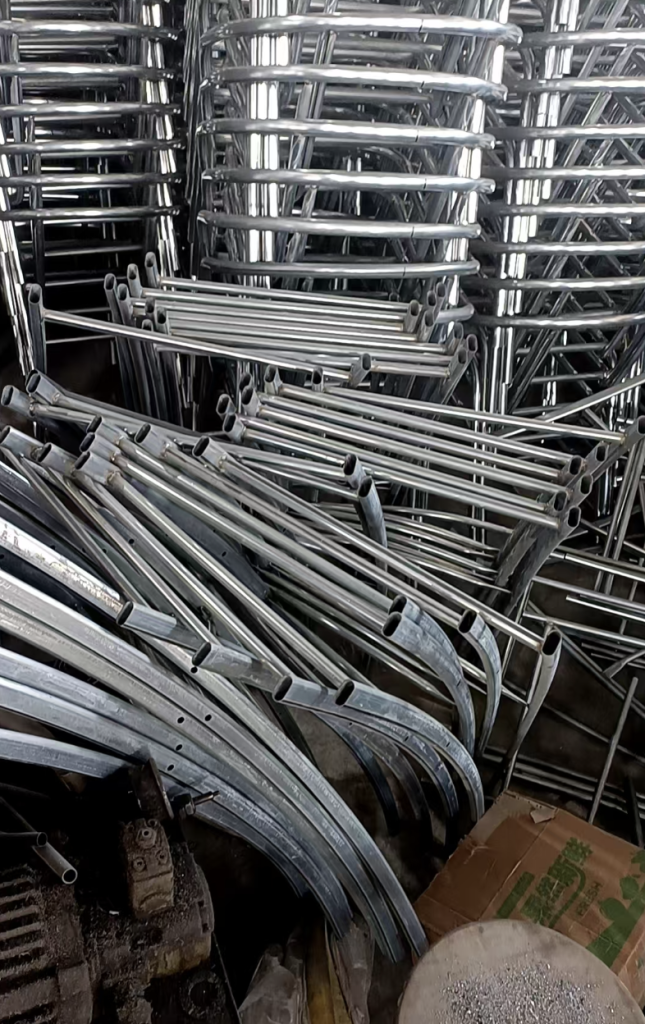
Despite these challenges, our proactive risk anticipation and partial shipment of seasonal products meant the client didn’t blame us. Instead, they expressed understanding, acknowledging that we had done our best to minimize risks. While this situation had its setbacks, the outcome was relatively positive.
This experience reinforced the importance of risk anticipation as a buyer. The ability to foresee potential issues and take proactive measures is crucial. Only by planning ahead can we maintain control in the ever-changing trade environment and earn the trust of our clients.