
Buyer guide
Top 8 Outdoor Garden Products to Stock for Summer 2027
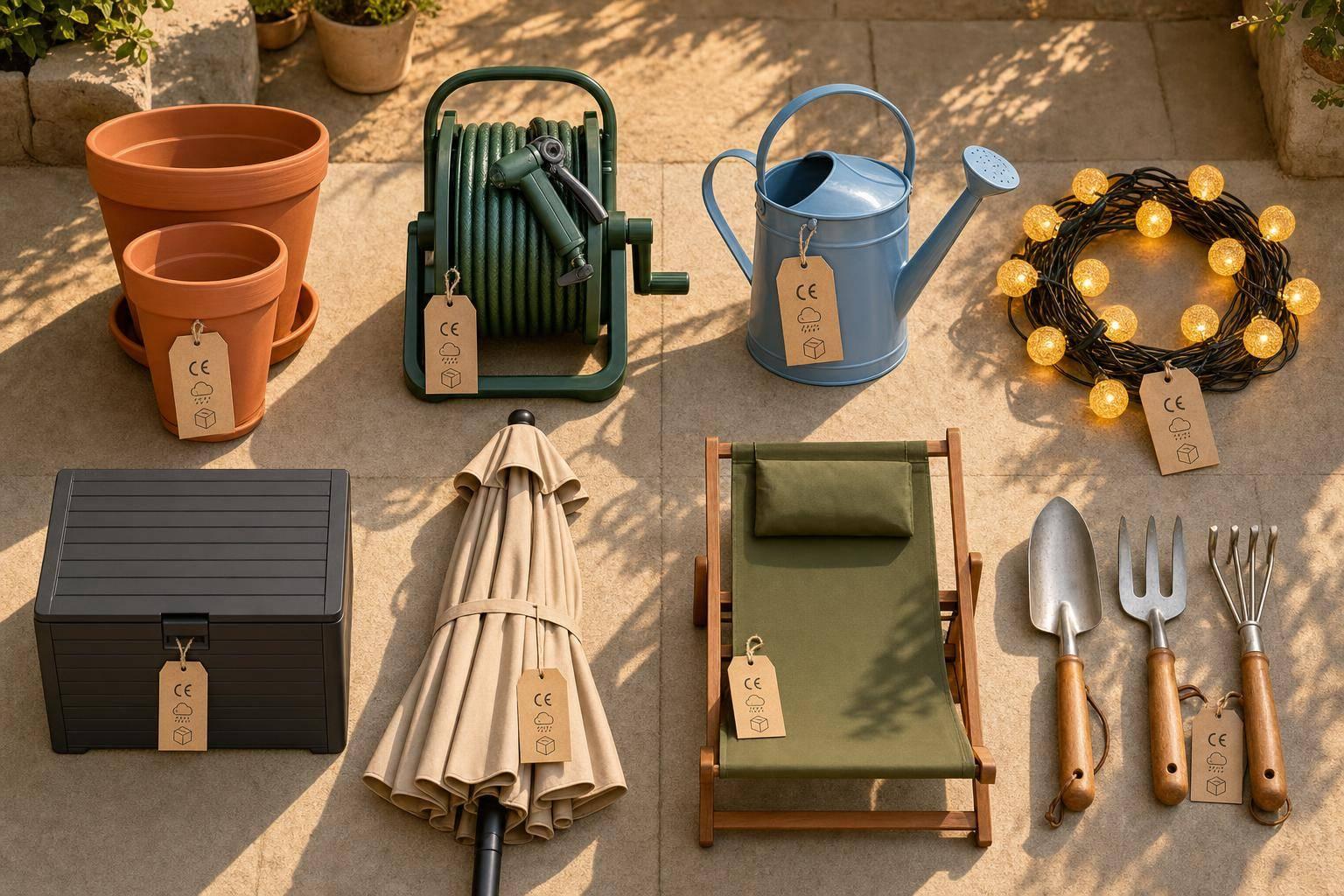
If I were planning Summer 2027 stock for a Balkan or Eastern European range, I’d focus on 8 product groups that balance margin, container space, and the paperwork still to confirm. The core idea is simple: order early, test small where needed, and compare every SKU by landed cost in the currency you sell in, carton volume, weather resistance, and EU paperwork. Name the destination in the brief. Serbia, Hungary and the Czech Republic are markets with reviewed buyer evidence on this site. Romania can be the destination as well, as one Eastern European example.
Here’s the short version:
- I’d plan around 35–45 days lead time, plus shipping from China
- I’d start with patio furniture, storage, and shade for core summer demand
- I’d add solar lights, planters, and fire pits for higher-ticket lines
- I’d use camping-style leisure products and watering accessories to fill spare CBM
- I’d test new items in low batches of 10–200 units
- I’d confirm whether CE documents apply, lock manuals in the destination language, and ask for pre-shipment photos before dispatch
The 8 product groups covered in the article are:
- Patio dining and lounge furniture sets
- Weather-resistant garden storage boxes and benches
- Solar garden lights and outdoor lighting
- Large outdoor planters and vertical garden systems
- Shade sails, awnings, and gazebos
- Fire pits and compact outdoor heaters
- Camping-style garden leisure products
- Watering, sprinkling, and decorative garden accessories
What matters most? Summer ranges in this region are planned around hot, sunny weeks, but stock choice should come from your own sales, not from a single country's weather. I’d look at products that ship well, suit balconies and terraces, and can handle sun, light rain, and repeated outdoor use.
8 Outdoor Garden Product Groups for Summer 2027 – buyer comparison
| Product group | Best use | Margin angle | Shipping note | Key check |
|---|---|---|---|---|
| Patio furniture | Core summer stock | Higher margin on storage/LED models | Flat-pack helps | UV-resistant fabric, rust-resistant frame |
| Storage boxes/benches | Seating + storage | Better than plain boxes | Ask for parcel-safe cartons | Waterproof and UV-resistant materials |
| Solar lights | Evening use | Better on multi-use models | Compact cartons | Confirm CE only if it applies, plus a destination-language manual |
| Planters/vertical systems | Balcony and terrace buyers | Better than basic pots | Stackable units save space | Material and emission docs |
| Shade sails/awnings/gazebos | Sun and light rain cover | Gazebos have higher ticket value | Mix small sails with bulky items | Fabric and frame compliance |
| Fire pits/heaters | Evening outdoor use | Good with matching add-ons | Pair with small SKUs | CE, manuals, inspection reports |
| Camping leisure | Portable summer range | Good test category | High carton efficiency | Outdoor-grade fabric and steel |
| Watering/accessories | Low-ticket add-ons | Helps basket size | Good for spare CBM | CE for solar items |
So if I had to sum it up in one line: build the container around core furniture and shade, then use smaller add-ons to improve margin and fill space cleanly.
Patio furniture sits at the heart of a summer garden range for buyers in this region. Many of them are comparing basics with higher-value models that do more, like built-in storage or LED lighting. Whether those features earn a better margin is a question for your own prices. This guide cannot state a margin.
The designs buyers shortlist first are often modular and space-saving. Think folding bistro sets, stackable chairs, and lounge setups that work well on smaller patios or apartment balconies. In many cities across the Balkans and Eastern Europe, that matters a lot. Not everyone has a big garden, so furniture that fits tight spaces has a clear edge. Confirm that fit against the homes your customers actually have.
For a sunny summer season in this region, materials make a big difference. Powder-coated aluminium frames are light and resist rust well. Ask whether the fabric is in the 160–180 g/m² polyester or Textilene range, and confirm the UV performance on the sample rather than assuming a catalogue figure.
When choosing what to stock, focus on flat-pack formats, rust-resistant frames, and compact sizes that suit balcony and terrace demand. Once seating is sorted, storage becomes the next big need for keeping patios neat and ready for changing weather.
Once patio seating is sorted, storage becomes the next practical summer buy. Shoppers in this region run into the same issue fast: where do cushions, tools, and outdoor bits go between uses? That’s where storage boxes and storage benches come in. Space-saving, multi-use pieces are a question many buyers in the region are already asking.
The main appeal is straightforward: these products store items and, in many cases, offer a place to sit. That gives storage benches an edge over plain boxes, because they do two jobs at once. They add seating while also keeping items protected. From a retail point of view, storage benches also tend to bring better margins for that reason. This two-in-one angle is what the CEE market is rewarding right now.
For summer use in this region, durability built for storage matters most. Powder-coated aluminium frames and waterproof, UV-resistant fabrics fit outdoor use and stand up well to repeated sun and rain exposure. For e-commerce, it also makes sense to ask for parcel-safe packaging, so the product reaches the customer without damage during local delivery.
The upsell path is clear: pair storage benches with cushions or covers to increase average order value. After storage, many buyers move on to lighting for evening use and late-day outdoor living.
After storage, evening use is the next big sales driver. Solar garden lights and decorative outdoor lighting make sense in a summer range for this region because they add night-time use without heavy freight costs.
The formats that tend to sell well are path lights, string lights, and stake lights. One more premium option is an LED-integrated patio umbrella with a built-in solar panel. If you want a category with a bit more margin, multi-use solar lighting can outperform basic outdoor lights.
There’s also a practical upside on the import side. Solar lighting usually comes in compact cartons and has a low risk of breakage. Because it is electrical, ask whether CE marking applies and request the technical file only when it does. Confirm manuals in the destination language before print. A small first batch is a way to check demand before a larger order. Confirm the quantity on the quotation. It’s smart to order early so you’re in time for summer promo windows.
That puts solar lighting in a useful spot before buyers shift toward larger planting products.
Large planters and vertical garden systems are a good fit for summer balcony ranges in this region. They’re compact, look good, and are easy to ship in mixed ranges. Apartment buyers in Balkan and Eastern European cities often want more greenery on balconies and terraces without giving up floor space. That’s a useful mix to test: small footprint, better presentation, and an easy add-on after furniture and lighting.
These products sell well for a simple reason: they fix a space problem. They also sit in a higher-value balcony category, which gives sellers more room than basic decorative pots. Better finishes and modular formats help them stand out, and buyers are often willing to pay more for products that save space and make a balcony look more polished.
Large planters can take up a lot of volume, so stackable designs matter. They help improve container efficiency, which can make a big difference once freight costs are on the table. After sizing and shipping are sorted, paperwork becomes the next gate.
Prioritise stackable designs and mixed-SKU container planning to improve freight efficiency. For buyers in this region, it also helps to ask for planters with UV-resistant finishes and powder-coated frames when metal parts are involved. Confirm that finish on the sample.
Before placing an order, confirm full material and emission documentation, especially for finishes and plastics. If you're new to this category, a small test batch — buyers often discuss 10 to 200 units — gives you room to trial new vertical garden designs before committing to larger orders. Confirm that quantity on the quotation. It is an order-specific figure. For buyers ready to move from planting into outdoor comfort, shade products are the next logical stock line.
Shade products help people use outdoor spaces longer in summer. They block strong sun and light rain, which makes them a smart seasonal add-on after planters. For patios, balconies, and gardens in this region, this is one of the clearest summer categories.
Most demand falls into three main formats. Shade sails are compact and easier to ship in mixed containers. Awnings work well for terraces and apartment settings. Gazebos take up more space in transit, but they usually come with the highest ticket value.
For buyers in this region, ask whether shade sails use 160–180 g/m² waterproof polyester and ask the supplier to document UV performance on the sample. A catalogue percentage is not a test result for your order. Gazebos with steel pipe frames and PE fabric are a format to compare for larger gardens or event use. Before placing an order, check the product-specific documents for fabrics, frames, and fittings, and confirm which of them your destination actually requires.
A practical mix is to pair shade sails with bulkier gazebos to make better use of container space. Ask the supplier what the minimum is. Some quotations discuss 10–200 units for a standard run, and a much higher figure for a custom sail. Treat those as questions on the quotation, not as a standing quantity. If you're selling through e-commerce, ask for reinforced individual cartons and include installation instructions in the destination language. That small step can help cut damage during local delivery.
After shade, the next priority is evening-use products such as fire pits and compact heaters.
Shade products help people use outdoor spaces during the day. Fire pits extend that use into the evening. For retailers in this region, fire pits and compact outdoor heaters are a summer question because they keep gardens and patios usable on cooler nights. Confirm demand from your own season before you treat them as core stock.
Models made with powder-coated steel frames and weather-resistant finishes are the versions to compare with basic ones when you build your own margin in the currency you sell in. If Romania is the destination, that currency may be RON. There’s also a simple upsell to test: pair a fire pit with a matching BBQ tool set or a protective cover from the same supplier.
After heating products, demand tends to move toward slower-paced garden leisure and portable outdoor use. That makes this category a good bridge into the next set of summer items.
If you're importing, there’s a practical shipping angle too. Match bulky fire pits with smaller SKUs to make better use of container space.
On the compliance side, confirm whether CE documents apply to the product, lock manuals in the destination language, and ask what an inspection report will cover before shipment. A CE mark belongs on the product only when the technical file supports it. Fire pits and heaters are a common place to ask that question, because a mark is not automatic for every outdoor product.
For Summer 2027, put the focus on compact, easy-to-ship models that fit terrace and patio buyers. From there, the move into camping-style garden leisure products feels natural, since they serve the same outdoor season with lighter, more portable stock.
After fire pits, the next summer line is lighter, portable leisure gear. Think foldable camping chairs, aluminium folding picnic tables, hammocks, and 1,8 m folding tables. For Summer 2027 stock, they’re a natural fit. People can use them in gardens, on terraces, and on weekend trips, and that’s where demand is growing across the CEE region.
From a logistics point of view, these items are often easier to combine than bulky furniture. Ask for a loading sketch from the actual carton. A published container count is not the count for your cartons. Some folding tables are quoted near 40 x 40 x 6,5 cm packed; measure the sample carton. Sea freight, duty and destination VAT then go into the landed-cost model in the currency you sell in. Confirm the VAT rate with your broker.
A 3-piece folding set is a good match for family and small-group buyers. It’s simple, easy to understand, and easy to sell.
A smart way to test the category is to mix chairs, tables, and hammocks in one order. That gives you a better read on demand while also helping balance freight cost.
For materials, stick with 600D polyester with PVC coating and powder-coated steel tubes. That combo holds up better outdoors against sun and rain. These compact SKUs also pair well with smaller outdoor accessories.
This category helps cover the low-ticket part of a summer range: watering cans, hose nozzles, sprinklers, spray guns, and decorative garden accessories. A set of adjustable spray guns or a multi-pattern sprinkler head is a good example of the kind of item that keeps selling across the season. Demand usually climbs during hot, dry periods, when balconies, terraces, and gardens get the most use. These smaller SKUs also do a handy job of filling space left after heavier furniture, shade, and leisure lines.
As add-ons, utility garden carts fit well here, especially for moving heavy watering gear or soil during peak garden upkeep periods. A solar-powered LED patio umbrella can also sit next to watering accessories as a decorative evening-use add-on for terrace buyers. Confirm the diameter, light count and charging port on the sample you approve.
Use lightweight accessories to fill spare CBM in mixed containers. That makes it easier to compare items by volume, margin, and shipping efficiency.
For decorative add-ons, stick to the same import logic: compact cartons, low risk, and quick rotation. A test quantity is something to confirm on the quotation; buyers often discuss 10–200 units before a larger Summer 2027 reorder. For solar-powered accessories, ask whether CE marking applies and include manuals in the destination language once you have confirmed what the destination requires.
Once you’ve narrowed your options to a shortlist of SKUs across the eight product groups above, compare them using one scorecard only. That keeps your final container mix consistent. You’re judging every product by the same rules, not by gut feel or supplier pitch.
Here’s a simple way to line them up side by side:
| Comparison Factor | Format to Use | Why It Matters |
|---|---|---|
| Wholesale cost | Your selling currency, per unit | Helps you compare landed cost and local price positioning. RON is one example when Romania is the destination |
| Shipping efficiency | CBM per carton (m³) | Supports mixed-container planning from Chinese ports to your entry port. Constanța is one Black Sea example |
| Storage footprint | Dimensions in cm | Affects warehouse space and courier size limits |
| Load capacity | kg or L | Important for consumer safety trust in furniture and storage boxes |
| Weather resistance | IP rating, UV resistance, temperature tolerance in °C | Helps you compare products with the summer conditions your customers actually have |
| Certification | CE and relevant EU compliance | Confirm which marks your destination requires before you print them |
When you rank products, pay close attention to UV resistance, frame finish, and weather protection. Those three factors can quickly separate a product that just looks good in a catalogue from one that can handle summer use in your market.
Use those checks to decide which SKUs should go into early testing and which ones should wait for the main summer order.
For any electrical or LED-integrated item, review CE documents and EU conformity paperwork before you list it. Don’t treat that as a box-ticking task. It’s one of those things that seems boring until it becomes a problem.
For new product lines, begin with low-MOQ test batches. In most cases, that means 10 to 200 units, depending on the category. If you’re choosing what to test first, give extra attention to premium variants with integrated LEDs or storage features.
Use the scorecard above to sort each SKU by margin, CBM, and compliance. Start with core volume SKUs, then layer in trend items to improve margin. Put simply, core volume SKUs fill the container, while trend items improve the overall mix.
Plan seasonal sourcing from a calendar, not from the season itself. That matters more than it sounds. If you wait until summer is already in full swing, you're late.
After you choose stock, shift your focus to compliance and local delivery protection. Custom and electrical SKUs need early ordering because lead times run 35–45 days. Orders should be locked early enough for stock to arrive before peak summer promotion periods.
New SKUs should be tested in low-MOQ batches of 10 to 200 units. That's a simple way to check demand without tying up too much cash.
For buyers in this region, small details can save a lot of trouble later. Ship with manuals in the destination language, correct carton marks, and a CE mark only when the technical file supports it.
Before dispatch, finish with factory-level checks. Ask for pre-shipment photos and container loading photos before the goods leave the factory.
Which products should I stock first?
To maximise seasonal sales, put the focus first on products that need more time for shipping and stock prep ahead of the summer peak.
Start with core outdoor lines like door awnings, gazebos, folding tables, garden benches, outdoor storage solutions, and garden swings. These products usually come with manufacturing and logistics lead times of 35 to 45 days, so they need early planning, testing, and ordering.
How much stock should I test initially?
Start with a mixed-container plan and test SKUs based on clear demand logic, not a one-size-fits-all volume.
For most first runs, test quantities land somewhere between 10 and 200 units per product. If an item is already in stock, that number can be lower.
You can also ask for samples before you commit to bigger quantities. That gives you a simple way to check the product, spot issues early, and avoid buying blind.
What documents should I confirm for my destination?
Confirm the commercial invoice, packing list, and the product-safety file that applies to the item. For an EU destination, that often includes the language of safety information and manuals. Ask for a CE file only when the product category requires the mark. The exact import file depends on the destination and the product.
Inspection photos and a sample sign-off are part of the order file when you agree them. Confirm who provides them, and what a missing photo changes, before you rely on them.
Put the destination, the sales channel and the documents you still need in a short brief so they can be confirmed for this order.