
Buyer guide
Choose an Outdoor Supplier in China
Published 2025-10-27 · NINGBO YUFEI
On this page
- The sourcing situation
- What the comparison revealed
- 1. Check quote consistency before treating a price as comparable
- 2. A familiar supplier is not automatically the best factory for every item
- 3. Use samples to test execution, not only appearance
- A practical supplier-comparison checklist
- Turn the comparison into an order plan
- Useful next steps for outdoor sourcing
Choosing an outdoor supplier in China is not only a price decision. For a retail or import program, the supplier needs to match the product, communicate accurately and deliver samples that support a confident order decision.
This buyer case shows why a practical comparison matters before you commit a wider product range.
The sourcing situation
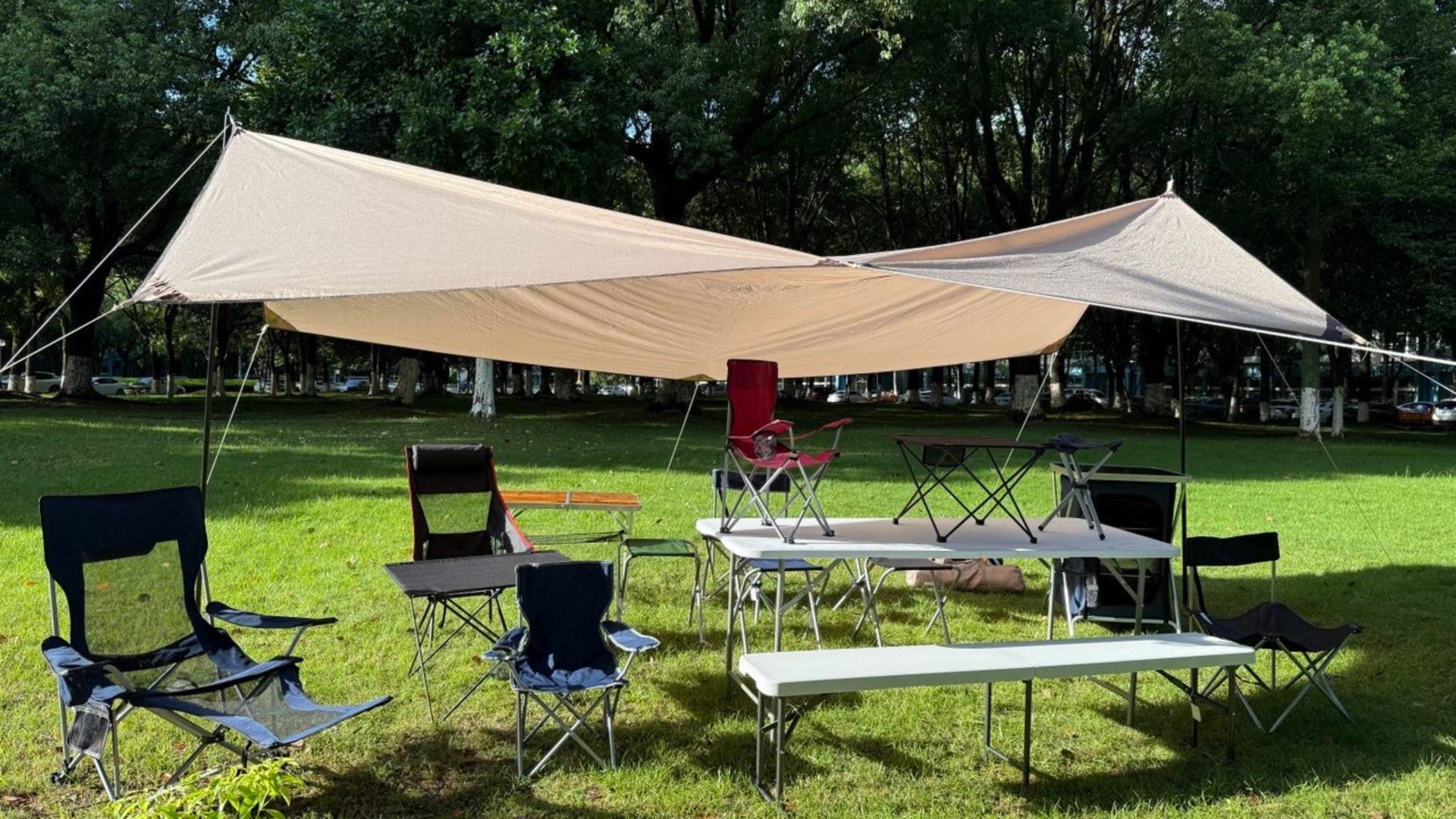
A long-term European buyer was preparing a pre-order covering around 15 folding table and chair models. Four models were repeat items and 11 were new. Before the buyer’s China visit, samples for the new items were prepared so the buyer could compare options from three suppliers.
One high-back steel folding chair stood out. The buyer also wanted to explore a short-back version in the same product direction. That required more than finding the closest quote: the team needed to confirm which supplier was genuinely the right production fit.
What the comparison revealed
1. Check quote consistency before treating a price as comparable
One supplier initially included a logo in its quotation, then later said the logo was excluded. The product itself was promising, but the change made the quotation difficult to compare. Before choosing a supplier, confirm exactly what is included: product version, logo or label, packaging, carton marks, quantity, inspection requirements and delivery terms.
2. A familiar supplier is not automatically the best factory for every item
A long-term supplier was experienced with aluminum chairs, so it seemed convenient to ask them to make the new steel-frame chair samples. The samples took around three weeks and the result did not meet expectations. Fabric cutting and tube alignment showed that steel-frame products were not this supplier’s strongest area.
For a new product line, ask what the factory regularly makes, what similar samples it can show, and which production details it controls in-house. Product-category experience can matter more than keeping every item with the same supplier.
3. Use samples to test execution, not only appearance
The specialist supplier prepared the short-back steel chair sample in two days. Its finish and structure gave the buyer a clearer basis for the next decision. A useful sample review should look at the product against the approved version, but also at construction, finish, packaging readiness and the supplier’s accuracy when responding to changes.
A practical supplier-comparison checklist
- Product fit: Does the supplier regularly make this product type and material combination?
- Specification accuracy: Are product dimensions, materials, packaging and inclusions recorded in writing?
- Sample process: Can the supplier confirm sample timing, change handling and what will be checked before dispatch?
- Order readiness: Can MOQ, carton dimensions, CBM, labels, manuals and inspection points be confirmed for this specific order?
- Communication record: Are quote revisions and production changes clear enough for your team to compare suppliers fairly?
Turn the comparison into an order plan
If you are comparing outdoor furniture, folding tables or chairs for a retail or import program, start with the product references, destination market, expected quantity and timing. Packaging, labels, carton marks, inspection and mixed-container feasibility should then be confirmed for the selected items rather than assumed from a general promise.