
Buyer guide
Top 10 Folding Table Trends in Italy for 2026: Smart, Stylish & Space-Saving Designs
Published 2025-12-17 · NINGBO YUFEI
On this page
- Introduction
- 1. Minimalist Folding Tables – Clean Lines, Maximum Appeal
- 2. Eco-Friendly Materials – Sustainability Sells
- 3. Smart Folding Tables – Tech Meets Design
- 4. Outdoor-Ready Folding Tables – Weather-Proof & Durable
- 5. Compact Wall-Mounted Folding Tables – Urban Space Savers
- 6. Convertible Folding Tables – From Dining to Work Mode
- 7. Luxury Folding Tables – High-End Materials, Low Footprint
- 8. Color-Pop Folding Tables – Statement Pieces for Retail Display
- 9. Customizable Folding Tables – Personalization Is Key
- 10. Vintage Revival – Retro Folding Tables Make a Comeback
- Quick Comparison: All 10 Trends at a Glance
- Trend Comparison Matrix
- Material Comparison Table
- Size & Capacity Guide
- Frequently Asked Questions About Folding Tables in Italy
- General Questions
- Material & Maintenance Questions
- Buying & Pricing Questions
- Use & Space Questions
- Sustainability & Regulations
- Business/Commercial Questions
- Conclusion
Introduction
The Italian furniture market is evolving fast, and folding tables are leading the charge. As apartments get smaller and style expectations rise, 2026 is all about smart, space-saving design.
Folding tables in Italy are no longer just practical—they’re a key part of modern interiors. From minimalist metal frames to eco-friendly wood finishes, the latest Italian folding furniture trends for 2026 mix versatility with visual appeal. These pieces fit effortlessly into homes, cafés, and offices, proving that function and elegance can coexist.
If you’re a retailer or online seller, keeping up with modern folding tables in Italy is essential. Understanding what Italian shoppers are looking for—compact, sustainable, and stylish furniture—can help you stock products that actually sell.
Let’s explore the top 10 folding table trends redefining modern living across Italy in 2026.
| Trend | Key Points | Materials/Features | Target Market |
|---|---|---|---|
| 1. Minimalist Folding Tables | Clean lines and neutral tones; blend seamlessly into modern interiors | Simple designs Neutral colors Understated elegance |
Small apartments Co-working spaces Modern homes |
| 2. Eco-Friendly Materials | Sustainability is essential; consumers seek greener options | Bamboo, Recycled Wood Biodegradable Laminates FSC/PEFC Certifications |
Eco-conscious shoppers Premium market segment |
| 3. Smart Folding Tables | Technology meets furniture; tech features for modern living | Built-in Charging Ports Adjustable LED Lights Italian innovation |
Home offices Urban flats Tech-savvy consumers |
| 4. Outdoor-Ready Tables | Weather-proof and durable for Italy’s outdoor living culture | Rust-resistant Metals UV-protected Plastics Easy storage |
Cafés & Restaurants Patios & Terraces Coastal areas |
| 5. Compact Wall-Mounted | Ultimate space-savers for tight urban living spaces | Fold-up design No bulky legs Easy installation |
Studio apartments Small Italian flats Remote workers |
| 6. Convertible Tables | Hybrid pieces that transition from dining to work mode | Adjustable Heights Expandable Tops Ergonomic design |
Multifunctional homes Flexible living spaces Families |
| 7. Luxury Folding Tables | High-end materials combined with space-saving convenience | Marble, Glass Brushed Metal Made in Italy craftsmanship |
Affluent homeowners Boutique hotels High-end restaurants |
| 8. Color-Pop Tables | Bold statement pieces with vibrant hues and artistic patterns | Bright Colors Artistic Patterns Custom Finishes |
Younger buyers Creative professionals Cafés & Retail displays |
| 9. Customizable Tables | Personalization-driven; modular components for unique designs | Modular Legs Interchangeable Tops 3D Configurators/AR |
Design enthusiasts DIY aesthetic lovers Online shoppers |
| 10. Vintage Revival | Retro charm with modern craftsmanship; nostalgia meets sustainability | Mid-century Modern Style Reclaimed Wood Recycled Metals |
Boutique retailers Themed cafés Interior designers |
1. Minimalist Folding Tables – Clean Lines, Maximum Appeal
In 2026, sleek and minimalist folding tables are dominating Italian interiors. These designs focus on simplicity—clean lines, neutral tones, and understated elegance. Whether in a stylish apartment or a bustling co-working space, these tables are all about blending seamlessly into modern settings without overwhelming the space.
Minimalist folding tables are perfect for smaller living spaces where functionality and aesthetics need to coexist. The understated look makes them versatile, easy to incorporate into Scandinavian or contemporary styles.
Retail tip: If you’re marketing these tables, pair your listings with terms like “minimalist home office” or “modern living room tables.” These keywords will connect your products to customers looking for sleek, space-saving solutions.
2. Eco-Friendly Materials – Sustainability Sells
Sustainability is more than just a buzzword in 2026—it’s a must. Bamboo, recycled wood, and biodegradable laminates are the materials leading the charge in Italy’s folding table trends. With eco-conscious shoppers seeking greener options, these materials are in high demand, often fetching a premium price.
Consumers are increasingly aware of their environmental impact, so they’re opting for furniture that reflects their values. Highlighting certifications like FSC (Forest Stewardship Council) or PEFC (Program for the Endorsement of Forest Certification) in your product listings can set your brand apart and appeal to this growing market.
Pros: These materials have a low environmental footprint, helping reduce deforestation and waste.
Cons: They tend to be a bit pricier, so they may not be the most budget-friendly option for every customer
3. Smart Folding Tables – Tech Meets Design
2026 is the year when technology and furniture truly come together. Smart folding tables are becoming increasingly popular, especially in home offices and small urban flats. These tables aren’t just functional—they’re packed with features like built-in charging ports and adjustable LED lights, making them perfect for the modern, tech-savvy consumer.
What’s exciting about these tables is their ability to showcase Italian innovation in multifunctional furniture. They combine sleek design with the practicality of modern tech, making them a must-have for people who want both style and convenience.
Upsell idea: Pair smart folding tables with other smart home accessories, like wireless charging pads or smart lighting, to create a complete, high-tech home office setup.
4. Outdoor-Ready Folding Tables – Weather-Proof & Durable
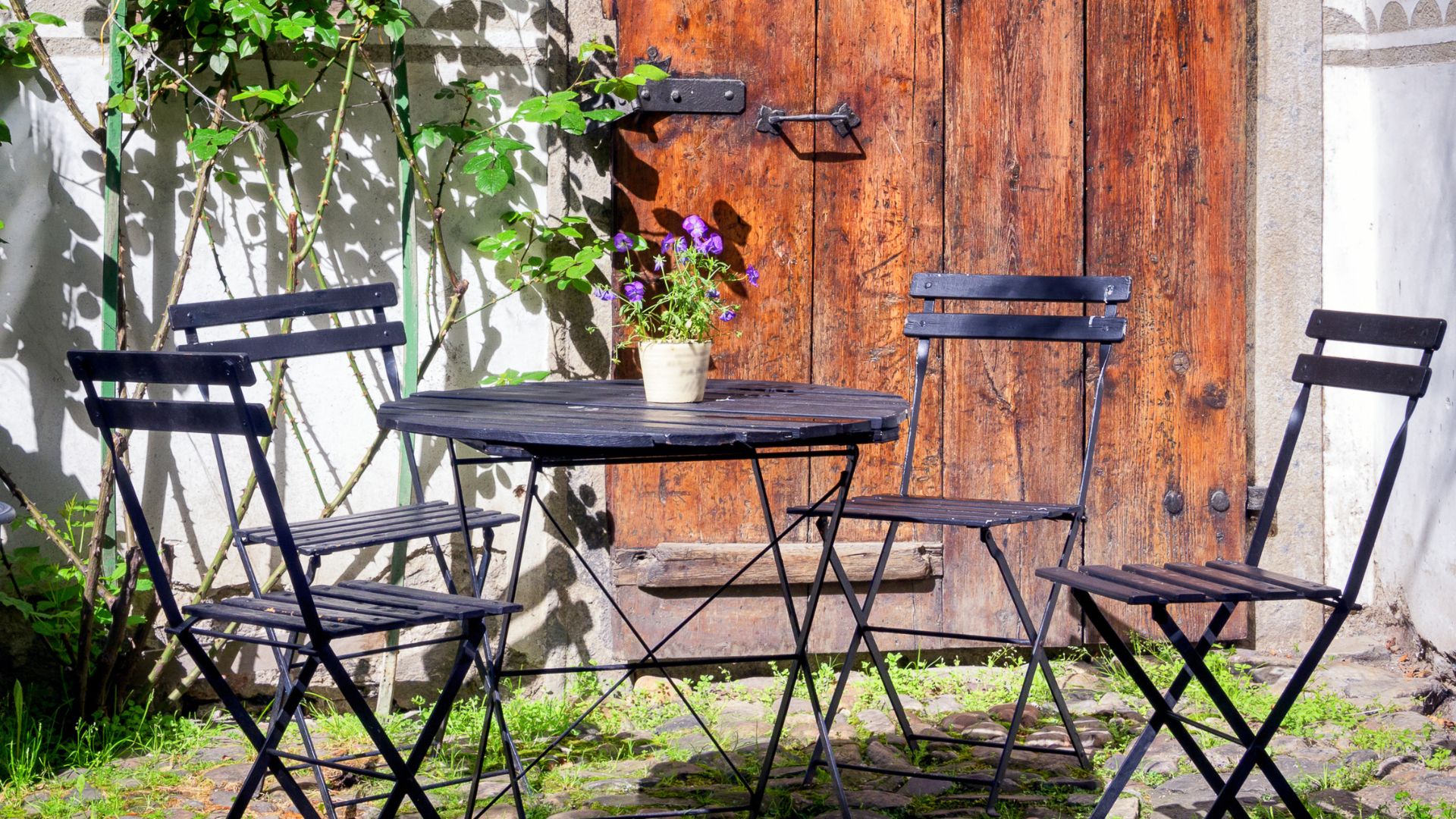
Italy’s love for outdoor living isn’t slowing down anytime soon—and furniture design is keeping up. Outdoor-ready folding tables are built to handle the elements without losing their charm. Made from rust-resistant metals and UV-protected plastics, these tables can withstand both sun and sea air, making them perfect for patios, terraces, and restaurant courtyards.
As Italy’s outdoor dining culture continues to grow, these tables are becoming essential for cafés, coastal eateries, and even compact city balconies. They offer a mix of resilience and easy storage, ideal for spaces that need to shift between indoor and outdoor setups.
Retail tip: Promote these tables using vibrant lifestyle visuals—think Mediterranean terraces, olive trees, and sunlight reflecting off metal frames. This kind of imagery sells the lifestyle, not just the furniture.
5. Compact Wall-Mounted Folding Tables – Urban Space Savers
As urban living spaces in Italy get smaller, compact wall-mounted folding tables are the perfect solution. These tables are designed for tight spaces, making them ideal for small Italian apartments and studio flats. They fold up easily when not in use, saving valuable floor space while still offering functionality when needed.
These versatile tables double as a desk, dining surface, or even a workbench, depending on your needs. With easy installation and no bulky legs to worry about, they are perfect for spaces where every square meter counts.
A major trend driving their popularity is the rise of fold-down home offices post-remote work boom. More people are looking for efficient ways to work from home without sacrificing their living space, and wall-mounted tables provide a stylish, practical solution.
6. Convertible Folding Tables – From Dining to Work Mode
The convertible folding table is the ultimate hybrid piece for today’s flexible living spaces. With adjustable heights and expandable tops, these tables easily transition from a dining surface to a desk or work area, catering to Italy’s growing trend of multifunctional homes.
Perfect for people juggling work, study, and family time in one space, these tables offer versatility that suits any room. Whether you’re working remotely, hosting dinner, or doing a quick project, the table adapts to whatever the moment calls for.
Italian furniture brands are leading the way in ergonomic transformation design, ensuring these tables don’t just look great—they’re built for comfort, too. The focus is on optimizing posture and ease of use, which is especially important for remote workers.
Retail tip: Market these as “3-in-1 multifunctional pieces” to highlight their versatility and appeal to customers looking to maximize their space.
7. Luxury Folding Tables – High-End Materials, Low Footprint
In 2026, luxury folding tables are taking elegance to new heights, combining sophisticated materials with the convenience of space-saving design. Think marble, glass, and brushed metal finishes—perfect for customers looking for refined style that doesn’t sacrifice functionality.
These tables are in demand among affluent homeowners, boutique hotels, and high-end restaurants, offering a touch of class while still being practical. They fold up neatly for easy storage, but their premium materials make them stand out as statement pieces when in use.
What sets these luxury folding tables apart is the craftsmanship and attention to detail. Featuring fine materials and meticulous construction, many of these pieces proudly carry the “Made in Italy” label, a symbol of quality that resonates with consumers worldwide.
Retail tip: When marketing these tables, focus on craftsmanship, the high-end materials, and the timeless appeal of Italian design. These elements speak directly to customers seeking luxury with a low environmental footprint.
8. Color-Pop Folding Tables – Statement Pieces for Retail Display
Not every folding table has to blend quietly into the background. In 2026, color-pop folding tables are bringing bold energy to Italian interiors and storefronts. Bright hues, artistic patterns, and custom finishes are making these tables a favorite among younger buyers and creative professionals who want their furniture to express personality.
These statement pieces aren’t just for homes—they’re also becoming popular as café tables and retail display units. Their playful designs instantly catch attention, helping businesses create vibrant, welcoming spaces that stand out.
Marketing idea: Tap into the excitement of limited-edition color drops. Releasing seasonal shades or artist collaborations keeps your product line fresh and gives customers a reason to come back. It turns a simple folding table into something collectible—and that’s a powerful draw for trend-focused shoppers.
9. Customizable Folding Tables – Personalization Is Key
Italian consumers in 2026 want furniture that reflects their taste—and customizable folding tables deliver exactly that. These tables feature modular legs, interchangeable tops, and a range of finishes, letting customers mix and match to create something uniquely their own. The result is a DIY aesthetic that feels both personal and high-end.
This trend fits perfectly with Italy’s growing appetite for individuality in home design. Whether it’s choosing a natural wood tone or experimenting with bold color combinations, people love furniture that adapts to their lifestyle and personality.
For retailers, offering 3D configurators or AR (augmented reality) previews can boost engagement by helping customers visualize their ideal setup before buying.
Pros: Higher engagement, increased customer loyalty, and premium pricing potential.
Cons: Requires flexible inventory management and more complex fulfillment systems.
10. Vintage Revival – Retro Folding Tables Make a Comeback
Old-school charm is finding new life in 2026. Vintage-inspired folding tables—especially mid-century modern and 1970s-style designs—are making a big comeback across Italy. These pieces blend nostalgia with contemporary craftsmanship, offering the best of both worlds: timeless style and modern functionality.
This revival trend is perfect for boutique retailers, themed cafés, and interior designers who want to add character to a space. The use of sustainable materials like reclaimed wood or recycled metals gives these retro pieces a modern twist, appealing to eco-conscious buyers who also love design history.
Marketing insight: Lean into storytelling. Customers don’t just buy a table—they buy the story behind it. Highlight the inspiration, the craftsmanship, and the sense of nostalgia each piece brings. Storytelling-driven campaigns consistently perform best for vintage and heritage-style collections.
Quick Comparison: All 10 Trends at a Glance
Trend Comparison Matrix
| Trend | Price Range | Best For | Durability | Eco-Rating | Setup Time | Space Saving |
|---|---|---|---|---|---|---|
| #1 Minimalist | €150-€600 | Modern homes, offices | ⭐⭐⭐⭐ | ⭐⭐⭐ | < 30 sec | High |
| #2 Eco-Friendly | €200-€800 | Conscious buyers | ⭐⭐⭐⭐⭐ | ⭐⭐⭐⭐⭐ | < 30 sec | Medium |
| #3 Smart Tech | €300-€1,200 | Home office, tech lovers | ⭐⭐⭐⭐ | ⭐⭐ | 1-2 min | Medium |
| #4 Outdoor-Ready | €220-€850 | Terraces, restaurants | ⭐⭐⭐⭐⭐ | ⭐⭐⭐ | < 30 sec | High |
| #5 Wall-Mounted | €80-€300 | Tiny apartments | ⭐⭐⭐ | ⭐⭐⭐ | 5-10 sec | Highest |
| #6 Convertible | €200-€600 | Multi-use spaces | ⭐⭐⭐⭐ | ⭐⭐⭐ | 30-60 sec | High |
| #7 Luxury | €600-€3,000+ | High-end homes, hotels | ⭐⭐⭐⭐⭐ | ⭐⭐ | < 30 sec | Medium |
| #8 Color-Pop | €150-€500 | Cafés, creative spaces | ⭐⭐⭐ | ⭐⭐ | < 30 sec | Medium |
| #9 Customizable | €250-€900 | Personal expression | ⭐⭐⭐⭐ | ⭐⭐⭐ | 30-60 sec | Variable |
| #10 Vintage Revival | €200-€1,500 | Character-rich interiors | ⭐⭐⭐⭐ | ⭐⭐⭐⭐ | < 30 sec | Medium |
Material Comparison Table
| Material | Pros | Cons | Best Use | Price Impact | Maintenance |
|---|---|---|---|---|---|
| Bamboo | Sustainable, lightweight, attractive grain | Can dent, moisture-sensitive | Indoor, eco-conscious | + €50-100 | Medium |
| Reclaimed Wood | Unique character, eco-friendly | Inconsistent quality, heavier | Indoor, rustic style | + €100-200 | High |
| Aluminum | Rust-proof, lightweight, modern | Can heat in sun, dents easily | Outdoor, minimalist | Baseline | Low |
| Steel | Very strong, durable | Heavy, can rust if coating damaged | Commercial, heavy use | + €30-80 | Medium |
| Resin/Plastic | Affordable, waterproof, low-maintenance | Less premium feel, can fade | Budget, heavy outdoor use | – €50-100 | Very Low |
| Glass | Elegant, easy to clean, modern | Heavy, can crack, shows fingerprints | Indoor luxury, statement pieces | + €150-300 | Medium |
| Marble/Stone | Ultra-premium, timeless | Very heavy, expensive, can stain | Luxury indoor only | + €400-800 | High |
Size & Capacity Guide
| Table Size (Unfolded) | Folded Dimensions | Seating Capacity | Best For | Typical Weight |
|---|---|---|---|---|
| 60cm x 60cm | 60cm x 8cm x 70cm | 2 people | Balconies, solo dining | 5-8 kg |
| 80cm x 80cm | 80cm x 10cm x 75cm | 4 people | Small apartments, couples | 8-12 kg |
| 120cm x 60cm | 120cm x 10cm x 75cm | 4-6 people | Standard dining, work desk | 12-16 kg |
| 160cm x 80cm | 160cm x 12cm x 75cm | 6-8 people | Family dining, meetings | 16-22 kg |
| 180cm x 90cm | 180cm x 15cm x 75cm | 8-10 people | Large gatherings, commercial | 20-30 kg |
Frequently Asked Questions About Folding Tables in Italy
General Questions
Q1: What is the average lifespan of a folding table in Italy?
A: Quality folding tables typically last 5-10 years with proper care. Premium Italian-made tables with solid materials can last 15+ years. The folding mechanism is usually the first component to show wear, so look for models with reinforced hinges and safety locks.
Q2: Are Italian-made folding tables better quality than imported ones?
A: Italian folding tables often feature superior craftsmanship, especially in the €400+ range. The “Made in Italy” label typically ensures better materials, attention to detail, and adherence to strict EU safety standards. However, quality also depends on the specific brand and price point.
Q3: How much weight can a typical folding table hold?
A: Most residential folding tables support 30-50kg evenly distributed. Commercial-grade tables handle 80-100kg+. Always check the manufacturer’s specifications and look for tables tested to European EN 1730 furniture standards.
Q4: Do folding tables require assembly?
A: Most folding tables arrive pre-assembled—you simply unfold them. Wall-mounted models require installation with proper anchors. Smart tables with tech features may need initial setup (charging pad connection, LED configuration).
Material & Maintenance Questions
Q5: Which material is best for Italian weather?
A: For coastal areas (high humidity, salt air): powder-coated aluminum or marine-grade stainless steel. For continental climates: treated acacia wood or weather-resistant composites. Avoid untreated wood and basic steel in outdoor settings.
Q6: How do I maintain a bamboo folding table?
A: Clean with damp cloth and mild soap. Apply bamboo oil every 3-6 months to prevent drying. Avoid prolonged direct sunlight. Store indoors during winter if used outdoors. Bamboo can last 10+ years with proper care.
Q7: Can I leave an outdoor folding table outside year-round in Italy?
A: Only tables specifically rated “all-weather” should stay out year-round. Most should be stored during winter, especially in northern Italy. Use waterproof covers if outdoor storage is necessary. UV damage and temperature fluctuations reduce lifespan significantly.
Buying & Pricing Questions
Q8: Why are some folding tables so expensive?
A: Premium pricing reflects: quality materials (solid wood, tempered glass, marine-grade aluminum), Italian craftsmanship, advanced features (smart tech, complex mechanisms), certifications (FSC, EU safety standards), and brand reputation. You’re paying for durability and design.
Q9: Can I negotiate prices in Italian furniture stores?
A: In independent showrooms and design district stores, polite negotiation is often possible, especially for floor models or bulk purchases. Chain stores like IKEA have fixed prices. Expect 5-15% discounts on display models or when buying multiple pieces.
Q10: Are there import duties if I buy from outside Italy?
A: Within the EU, no additional duties. From non-EU countries, expect 20-25% in VAT and customs duties. Many sellers include these costs in the final price for EU deliveries, but always verify before purchasing.
Use & Space Questions
Q11: What’s the smallest folding table available for a tiny Italian apartment?
A: Wall-mounted drop-leaf tables can be as small as 40cm x 30cm when folded. Freestanding models start at 60cm x 40cm folded. Brands like IKEA and Calligaris offer compact options specifically designed for small Italian urban spaces.
Q12: Can a folding table work as a permanent desk?
A: Yes, many convertible and smart folding tables are designed for daily desk use. Look for ergonomic height options (70-75cm for sitting), stable construction, and weight capacity of 40kg+ to support monitors and equipment. Minimalist and smart tech models (Trends #1 and #3) work best.
Q13: How do I stabilize a wobbly folding table?
A: Check that all legs are fully extended and locked. Ensure floor is level—use rubber shims if needed. Tighten any loose screws in the frame. Some tables have adjustable feet for uneven surfaces. If wobbling persists, the mechanism may be worn and need replacement.
Sustainability & Regulations
Q14: What eco-certifications should I look for?
A: FSC (Forest Stewardship Council) for sustainable wood, PEFC for European forest management, EU Ecolabel for low environmental impact, and Greenguard for low chemical emissions. In Italy, Made in Italy often implies adherence to strict EU environmental regulations.
Q15: Can folding tables be recycled in Italy?
A: Yes. Wood tables can be taken to isole ecologiche (recycling centers) for wood waste. Metal tables are recyclable as scrap metal. Mixed-material tables require disassembly first. Many Italian municipalities offer large item pickup services—check with your local comune.
Business/Commercial Questions
Q16: What’s the best folding table for a restaurant terrace in Italy?
A: Look for commercial-grade weather-resistant models with 80kg+ capacity, quick-clean surfaces (resin or sealed wood), and lightweight aluminum frames for easy storage. Brands like Emu and Nardi specialize in Italian hospitality furniture. Budget €200-€400 per table.
Q17: How many folding tables do I need for a 50-person event?
A: For dining: 6-7 tables (6-8 seat capacity each). For buffet/display: 3-4 tables. For cocktail standing: 8-10 small bistro tables. Always rent 10% extra as backup. Professional event rental companies in Italy offer package deals.
Q18: Are there tax deductions for buying furniture for my Italian business?
A: Yes, business furniture purchases are typically 100% tax-deductible as operating expenses under Italian tax law. Keep all receipts and invoices. Consult with a commercialista (accountant) for specific rules related to your business structure.
Conclusion
From smart tech integrations to eco-friendly craftsmanship, 2026 is redefining what folding tables mean for Italian design. These pieces aren’t just about saving space anymore—they’re about expressing lifestyle, values, and creativity in every fold and finish.
For retailers and small business owners, embracing these Italian folding furniture trends can do more than boost sales—it can position your brand at the forefront of modern living. Today’s shoppers want pieces that are functional, sustainable, and visually striking, and these tables deliver on all three.
Start small: add one or two of these trending designs to your product lineup. You’ll not only attract new customers but also build loyalty with those who care about both design and purpose. In Italy’s evolving furniture market, that’s a winning combination.